
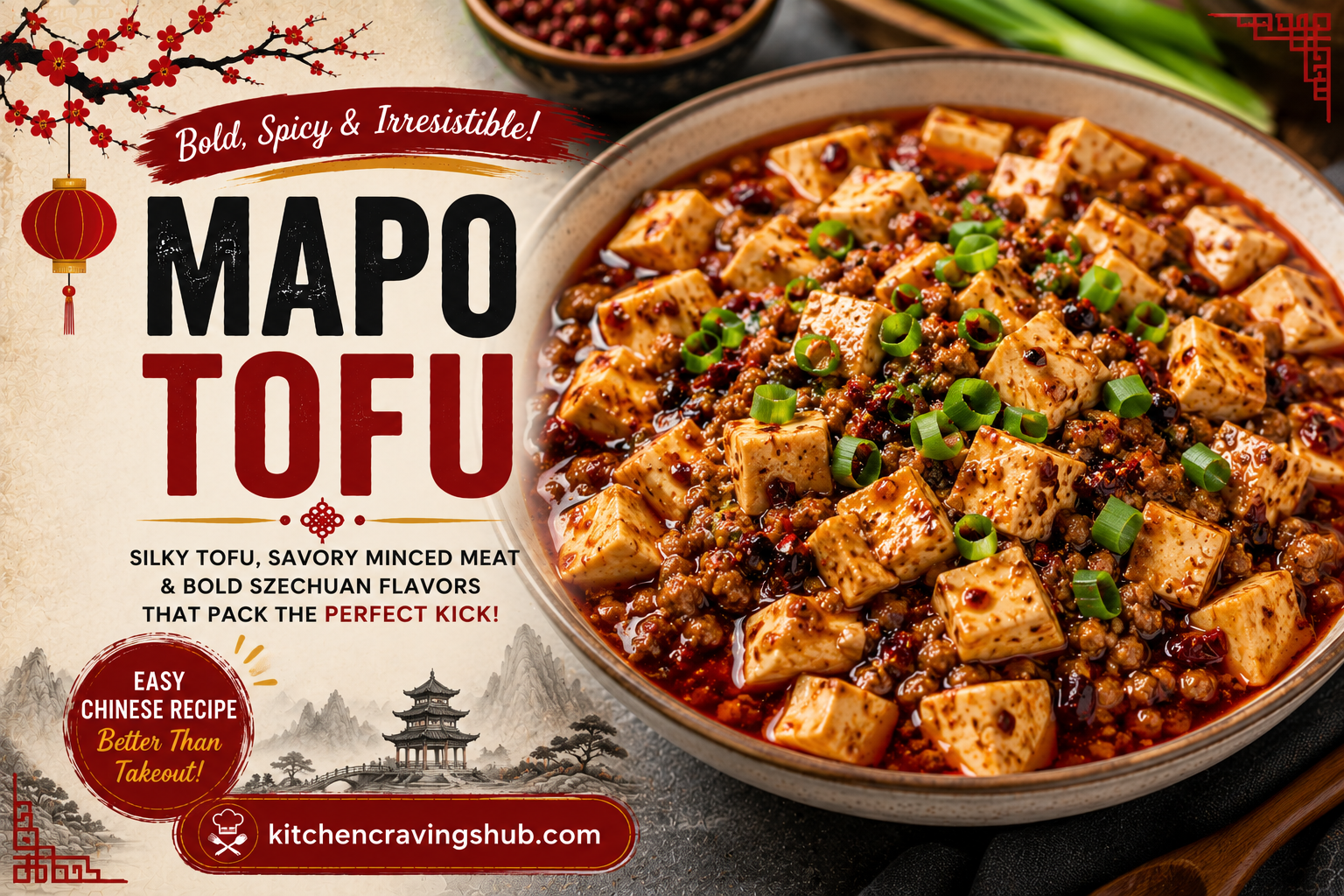
There is a reason mapo tofu holds such a legendary status in Sichuan cuisine. Soft, silky cubes of tofu bathed in a fiery, deeply savory sauce, studded with ground pork and that unmistakable tingling numbness from Sichuan peppercorns. It is bold, comforting, and completely addictive, a dish that manages to be both rustic and utterly sophisticated at the same time. 😋
In this guide, we are going to cover everything you need to know about mapo tofu. We will talk about its fascinating history, why it has become such a celebrated dish, the ingredients you need, a full step by step recipe, tips for getting that perfect silky texture and balanced heat, common mistakes to avoid, healthier variations, and answers to the most frequently asked questions. Let us get cooking. 🧑🍳
What Is Mapo Tofu? 🤔
Mapo tofu is a classic Sichuan dish featuring soft tofu cubes simmered in a spicy, savory sauce made with fermented broad bean paste known as doubanjiang, ground pork or beef, fermented black beans, garlic, ginger, and a generous dose of Sichuan peppercorns and chili oil. The result is a dish that delivers layers of flavor, spicy heat from the chili elements, deep umami richness from the fermented pastes, and that signature tingling numbness known as ma la that Sichuan cuisine is famous for.
The name mapo tofu translates roughly to pockmarked grandmother’s tofu, referring to a popular legend about the dish’s origin. According to the story, the dish was created in the late nineteenth century in Chengdu, the capital of Sichuan province, by a woman with a pockmarked face who ran a small restaurant near a bridge frequented by workers carrying oil. She is said to have created this dish using leftover ingredients, and its bold, comforting flavor quickly made it popular among locals, eventually spreading throughout China and later to Chinese restaurants around the world.
Today, mapo tofu stands as one of the most iconic dishes representing Sichuan cuisine, admired for its complex balance of spicy, savory, and numbing flavors all coming together over impossibly silky tofu. 🌟
Why People Love Mapo Tofu ❤️
There are several reasons this dish has earned such devoted admiration.
First, the flavor complexity is remarkable. Between the fermented bean paste, ground meat, aromatics, and Sichuan peppercorns, this dish delivers layers of savory, spicy, and numbing sensations that few other dishes can match.
Second, the texture is wonderfully comforting. Soft, silky tofu absorbs the bold sauce beautifully, creating a dish that feels indulgent and satisfying with every spoonful.
Third, it comes together relatively quickly for a dish with such deep, developed flavor. Once you have the key ingredients on hand, mapo tofu can be on the table in about thirty minutes.
Finally, it represents an accessible entry point into the bold world of Sichuan cuisine. For those curious about the region’s famous spicy, numbing flavor profile, mapo tofu is often one of the first and most beloved dishes people try. 🌶️
Ingredients You Will Need 🛒
Here is everything required to make an authentic batch of mapo tofu at home.
For the Tofu
Soft or silken tofu, cut into cubes. Soft tofu is traditional and gives the dish its signature delicate, custardy texture, though medium tofu can be used if you prefer something slightly firmer that holds its shape a bit more during cooking.
For the Protein
Ground pork, traditionally used for its savory richness, though ground beef is also common. This can be omitted or substituted with a plant based ground meat alternative for a vegetarian version.
For the Sauce Base
Doubanjiang, also known as fermented broad bean paste or chili bean paste, which is the essential ingredient that gives mapo tofu its deep, spicy, fermented flavor. This can be found at Asian grocery stores or online.
Fermented black beans, optional, for extra umami depth, though the dish is still delicious without them if you cannot find this ingredient.
Garlic, minced, for aromatic depth.
Ginger, minced, for warmth.
Chili oil, for extra heat and a glossy red color.
Sichuan peppercorns, ground or whole, for that signature tingling, numbing sensation.
For the Sauce
Chicken broth or water, to create the sauce base.
Soy sauce, for additional saltiness and depth.
Cornstarch mixed with water, to thicken the sauce into a glossy consistency.
For Garnish
Green onions, sliced, for a fresh finishing touch. 🌿
Step by Step Recipe: How to Make Mapo Tofu 👩🍳
This recipe generally serves about four people as part of a larger meal and takes around thirty minutes from start to finish.
Step 1: Prepare the Tofu
Cut the tofu into bite sized cubes. Soft and silken tofu are delicate, so handle them gently to avoid breaking them apart too much. Some cooks like to briefly blanch the tofu cubes in lightly salted simmering water for about a minute, which helps remove any excess liquid and firms them up just slightly, making them easier to work with later in the cooking process. Drain gently and set aside.
Step 2: Cook the Ground Pork
Heat a small amount of oil in a wok or large skillet over medium high heat. Add the ground pork and cook, breaking it apart with a spatula, until browned and cooked through, about four to five minutes.
Step 3: Build the Aromatic Base
Add the doubanjiang to the pan along with the fermented black beans if using, stirring for about a minute until the oil turns a deep red color and the mixture becomes fragrant. This step is essential for developing the dish’s signature depth of flavor, so do not rush it.
Step 4: Add the Garlic and Ginger
Stir in the minced garlic and ginger, cooking for another thirty seconds until fragrant, being careful not to let them burn.
Step 5: Build the Sauce
Pour in the chicken broth and soy sauce, stirring to combine everything into a smooth, flavorful sauce. Bring it to a gentle simmer.
Step 6: Add the Tofu
Gently slide the tofu cubes into the simmering sauce. Using the flat side of your spatula, carefully push the tofu around the pan rather than stirring aggressively, since soft tofu can break apart easily. Let everything simmer together for about three to four minutes so the tofu can absorb the sauce’s flavor.
Step 7: Thicken the Sauce
In a small bowl, mix cornstarch with a bit of cold water to make a slurry. Slowly drizzle it into the simmering sauce while gently stirring, being careful not to break up the tofu too much. Continue to simmer for another minute or two until the sauce thickens into a glossy consistency that clings to the tofu.
Step 8: Finish and Serve
Drizzle chili oil over the top for extra heat and shine, and sprinkle with ground Sichuan peppercorns for that signature numbing sensation. Garnish with sliced green onions. Serve immediately over steamed white rice while everything is hot and fragrant. 🍚
Pro Tips for the Best Mapo Tofu 💡
Handle the tofu gently throughout the entire cooking process. Soft tofu is delicate and can break apart easily, so use a gentle pushing motion with your spatula rather than aggressive stirring.
Do not rush the doubanjiang step. Cooking this fermented paste properly in oil until fragrant and deeply red is essential for developing the dish’s signature depth of flavor, so give it the full minute or so it needs.
Use freshly ground Sichuan peppercorns if possible. Toasting and grinding whole peppercorns just before using them delivers a much more vibrant, aromatic numbing sensation compared to pre ground versions that may have lost potency over time.
Adjust the heat level to your preference. The amount of doubanjiang and chili oil used can be scaled up or down depending on how spicy you like your food, since this dish can range from mildly warm to intensely fiery.
Blanch the tofu briefly if you are worried about it falling apart. This extra step firms the tofu up just slightly, making it a bit easier to handle during the rest of the cooking process.
Serve immediately after cooking. Mapo tofu is best enjoyed fresh, while the sauce is still glossy and the tofu is at its silkiest.
Common Mistakes to Avoid ⚠️
Stirring the tofu too aggressively. This can cause the delicate cubes to break apart into a mushy texture rather than staying intact as distinct pieces.
Rushing the doubanjiang cooking step. Skipping this step or not cooking it long enough results in a less developed, less flavorful sauce overall.
Using pre ground Sichuan peppercorns that have lost their potency. Older, pre ground peppercorns can lack that signature tingling sensation, so freshly toasted and ground peppercorns make a noticeable difference.
Adding too much liquid at once. This can result in a thin, watery sauce rather than the rich, glossy consistency mapo tofu is known for, so add broth gradually and adjust as needed.
Not tasting and adjusting the spice level. Since doubanjiang and chili oil brands vary in intensity, it helps to taste the sauce before finishing and adjust the heat to your preference.
Healthier Ways to Make Mapo Tofu 🥗
If you want a lighter version of this dish, here are a few simple adjustments to try.
Use ground turkey or chicken instead of pork for a leaner protein option, though the flavor will be slightly milder.
Reduce the amount of oil used for cooking the doubanjiang and aromatics by using a well seasoned or nonstick pan.
Omit the ground meat entirely for a fully vegetarian version, relying on mushrooms or a plant based ground meat alternative for texture instead.
Use a lighter hand with the chili oil to reduce the overall fat content, while still keeping the doubanjiang for that essential fermented flavor base.
Serve over a smaller portion of rice alongside a larger serving of steamed vegetables to help balance out the meal. 🌾
What to Serve With Mapo Tofu 🍽️
Mapo tofu pairs beautifully with steamed white rice, which helps balance out its bold, spicy flavors and soaks up that rich, glossy sauce perfectly. It also works wonderfully as part of a larger Sichuan inspired meal, alongside dishes like Szechuan green beans or kung pao chicken.
For a milder contrast, serve it alongside simple steamed vegetables or a light cucumber salad to help cool the palate between bites. If you are hosting a bigger dinner, this dish fits beautifully into a spread featuring a variety of both spicy and milder Chinese favorites. 🥢
Storing and Reheating Leftovers 📦
Store leftover mapo tofu in an airtight container in the refrigerator for up to three days. The flavors often deepen after a day in the fridge, which many people find even more delicious.
To reheat, use a skillet over medium heat, stirring very gently to avoid breaking up the tofu further, until heated through. The microwave also works if you are short on time, just heat in short bursts and stir gently in between, being mindful of the delicate texture of the tofu.
Frequently Asked Questions ❓
What is doubanjiang, and can I substitute something else?
Doubanjiang is a fermented broad bean and chili paste that forms the essential flavor base of mapo tofu. There is not a perfect substitute, but a combination of miso paste and chili garlic sauce can work in a pinch if you cannot find it at your local grocery store or Asian market.
Is mapo tofu very spicy?
Traditional mapo tofu is quite spicy and numbing, though the heat level can be adjusted by using less doubanjiang and chili oil if you prefer a milder version.
What does ma la mean?
Ma la refers to the distinctive combination of spicy heat, from chili peppers and chili oil, and numbing tingling, from Sichuan peppercorns, that defines much of Sichuan cuisine, including mapo tofu.
Can I make mapo tofu vegetarian or vegan?
Yes, simply omit the ground meat or substitute it with a plant based ground meat alternative or crumbled mushrooms, and the rest of the ingredients are naturally vegetarian and can easily be made vegan as well.
Why did my tofu fall apart while cooking?
This usually happens from stirring too aggressively. Soft tofu is delicate, so use a gentle pushing motion with the flat side of your spatula instead of vigorous stirring to keep the cubes mostly intact.
Can I make this dish gluten free?
This can be tricky since some doubanjiang and soy sauce products contain wheat. Look for gluten free doubanjiang and soy sauce alternatives, which are increasingly available at specialty grocery stores and online.
Final Thoughts 🌈
Mapo tofu stands as a true testament to how humble ingredients, tofu, ground meat, and a handful of fermented pastes and spices, can come together to create something so deeply flavorful and satisfying. That signature combination of spicy heat and numbing tingle, layered over impossibly silky tofu, makes this dish an unforgettable introduction to the bold world of Sichuan cuisine.
Once you get comfortable with handling the delicate tofu and properly cooking that essential doubanjiang base, this recipe becomes a wonderful addition to your regular cooking rotation, whether you are already a fan of spicy food or looking to explore something new. Adjust the heat to your liking, and enjoy the rich, complex flavors this legendary dish has to offer.
So gather your ingredients, heat up your wok, and get ready to enjoy the bold, silky, unforgettable comfort of homemade mapo tofu. Happy cooking! 🍳🥳