
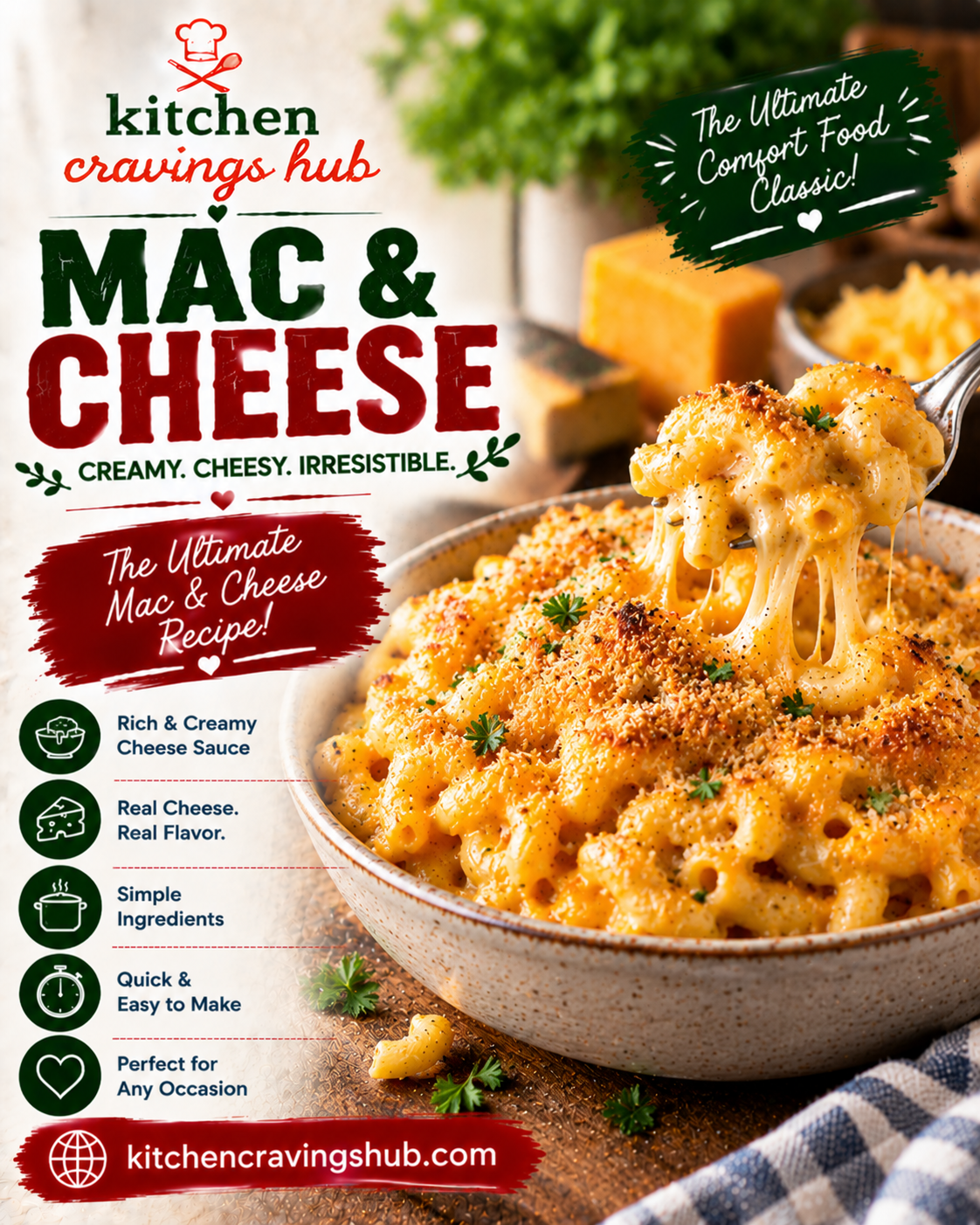
There is nothing quite like a bowl of creamy, cheesy mac and cheese. Tender pasta enveloped in a rich, velvety cheese sauce, comforting in a way that instantly takes you back to childhood while still feeling like a genuinely indulgent treat as an adult. Whether made simply on the stovetop or baked until bubbly with a crispy breadcrumb topping, mac and cheese remains one of the most beloved comfort foods around. 😋
In this guide, we are going to cover everything you need to know about mac and cheese. We will talk about why this dish has become such an enduring favorite, the ingredients you need, a full step by step recipe, tips for getting that perfect creamy, smooth sauce, common mistakes to avoid, healthier variations, and answers to the most frequently asked questions. Let us get cooking. 🧑🍳
What Is Mac and Cheese? 🤔
Mac and cheese, short for macaroni and cheese, is a dish featuring cooked pasta, traditionally elbow macaroni, combined with a rich, creamy cheese sauce. The sauce is typically made using a roux based béchamel as its foundation, melted together with one or more types of cheese to create a smooth, luscious coating for the pasta. While boxed versions and simplified preparations have made mac and cheese an incredibly accessible weeknight staple, homemade versions offer a richer, more customizable experience that many consider well worth the extra effort.
This dish has a surprisingly long history, with early versions of pasta and cheese combinations appearing in European cookbooks for centuries, though the dish as it is known today became particularly beloved and iconic in American home cooking, especially throughout the twentieth century. It has become deeply associated with comfort food, nostalgia, and family meals, cherished by both children and adults alike.
Mac and cheese remains endlessly adaptable, welcoming countless variations in cheese combinations, add ins like bacon or vegetables, and preparation methods, whether enjoyed as a simple stovetop dish or baked into a bubbling, golden topped casserole. 🌟
Why People Love Mac and Cheese ❤️
There are so many reasons this dish has earned such an enduring, devoted following.
First, it is the ultimate comfort food, with that rich, creamy cheese sauce and tender pasta creating a combination that feels genuinely soothing and satisfying, evoking nostalgia for many people.
Second, it is incredibly versatile, welcoming countless variations in cheese types, mix ins, and preparation styles, allowing you to customize it endlessly to suit your preferences or whatever ingredients you have on hand.
Third, it appeals to a wide range of ages and palates, making it a reliable crowd pleaser for family dinners, potlucks, and gatherings of all kinds.
Finally, homemade mac and cheese offers a significant upgrade over boxed versions, allowing you to control the quality of ingredients and create a genuinely rich, flavorful dish that feels worthy of both weeknight dinners and special occasions alike. 🏠
Ingredients You Will Need 🛒
Here is everything required to make a fantastic batch of baked mac and cheese at home.
For the Pasta
Elbow macaroni, or another short pasta shape like cavatappi or shells, which hold the cheese sauce nicely in their curves and ridges.
For the Cheese Sauce
Butter, for creating the roux base. All purpose flour, to thicken the sauce. Milk, for the creamy base of the sauce, whole milk generally providing the richest result. Sharp cheddar cheese, shredded, for classic, bold cheesy flavor. Gruyere or Monterey Jack cheese, shredded, optional, for added depth and meltability. Salt and black pepper, for seasoning. A pinch of ground mustard or paprika, optional, for subtle background flavor.
For the Topping, Optional
Breadcrumbs, for a crispy, golden topping. Butter, melted, for tossing with the breadcrumbs. Additional shredded cheese, for topping before baking. 🌿
Step by Step Recipe: How to Make Mac and Cheese 👩🍳
This recipe generally serves about six people and takes around forty five minutes from start to finish.
Step 1: Cook the Pasta
Bring a large pot of salted water to a boil and cook the pasta according to the package instructions until just al dente, since it will continue cooking slightly once combined with the sauce and baked. Drain and set aside.
Step 2: Preheat the Oven
If baking your mac and cheese, preheat the oven to around 350 degrees Fahrenheit and lightly grease a baking dish.
Step 3: Make the Roux
In a large saucepan, melt the butter over medium heat. Once melted, whisk in the flour, cooking for about one to two minutes, stirring constantly, until the mixture becomes a smooth, light golden paste. This step cooks out the raw flour taste and creates the base for your sauce.
Step 4: Add the Milk
Gradually whisk in the milk, a little at a time, making sure to fully incorporate each addition before adding more, which helps prevent lumps from forming. Continue whisking until the mixture is smooth.
Step 5: Thicken the Sauce
Cook the sauce over medium heat, whisking frequently, for about five to seven minutes, until it thickens enough to coat the back of a spoon.
Step 6: Add the Cheese
Remove the sauce from the heat and gradually stir in the shredded cheeses, a handful at a time, stirring until each addition is fully melted before adding more. This gradual approach helps create a smooth, creamy sauce rather than a grainy one.
Step 7: Season the Sauce
Season the cheese sauce with salt, pepper, and ground mustard or paprika if using, tasting and adjusting as needed.
Step 8: Combine with the Pasta
Add the cooked, drained pasta to the cheese sauce, stirring gently until every piece is well coated.
Step 9: Transfer to a Baking Dish
Pour the mac and cheese into the prepared baking dish, spreading it out evenly.
Step 10: Add the Topping
If using a breadcrumb topping, toss the breadcrumbs with melted butter, then sprinkle evenly over the top of the mac and cheese, along with a bit of additional shredded cheese if desired.
Step 11: Bake
Bake for about twenty to twenty five minutes, until bubbly and golden on top.
Step 12: Serve
Let the mac and cheese cool for a few minutes before serving, which allows the sauce to set up slightly for easier serving. 🧀
Pro Tips for the Best Mac and Cheese 💡
Cook the pasta just until al dente. Since it will continue cooking slightly in the oven, starting with pasta that is slightly undercooked helps prevent it from becoming mushy in the final baked dish.
Add the milk gradually when making the sauce. This helps prevent lumps from forming, resulting in a smoother, more consistent final sauce.
Shred your own cheese rather than using pre shredded bags. Pre shredded cheese often contains anti caking agents that can prevent it from melting as smoothly, so freshly shredded cheese generally produces a creamier sauce.
Add the cheese off the heat and gradually. This helps prevent the sauce from becoming grainy or oily, which can happen if cheese is added too quickly or over heat that is too high.
Use a combination of cheeses for the best flavor. Sharp cheddar provides classic, bold flavor, while a cheese like Gruyere or Monterey Jack can add extra creaminess and depth.
Do not skip the resting time after baking. Letting the dish cool for a few minutes allows the sauce to set up slightly, making it easier to serve neat portions.
Common Mistakes to Avoid ⚠️
Overcooking the pasta before baking. Since it continues cooking in the oven, starting with fully cooked pasta can result in an overly soft, mushy final texture.
Adding cheese too quickly or over high heat. This can cause the sauce to become grainy or oily rather than smooth and creamy, so adding cheese gradually off the heat helps prevent this issue.
Using only pre shredded cheese. The anti caking agents in pre shredded cheese can prevent it from melting as smoothly, so shredding your own cheese from a block generally yields better results.
Not seasoning the sauce adequately. Since the cheese sauce forms the primary flavor of this dish, properly seasoning with salt, pepper, and other spices is important for a well balanced final result.
Skipping the roux step or rushing it. Properly cooking the butter and flour mixture before adding the milk helps prevent a raw, starchy taste in the finished sauce.
Healthier Ways to Make Mac and Cheese 🥗
If you want a lighter version of this dish, here are a few simple adjustments to try.
Use a reduced fat milk instead of whole milk, though keep in mind this may result in a slightly less rich final sauce.
Incorporate a pureed vegetable, like butternut squash or cauliflower, into the cheese sauce for added nutrition without significantly altering the overall flavor.
Use whole wheat pasta for added fiber compared to traditional refined pasta.
Reduce the overall amount of cheese slightly, relying on a well seasoned sauce base to still deliver plenty of flavor.
Add extra vegetables like broccoli or peas directly into the dish, boosting the nutrient content while stretching the recipe further. 🌾
What to Serve With Mac and Cheese 🍽️
Mac and cheese pairs wonderfully as a side dish alongside proteins like fried chicken, barbecue, or grilled meats, making it a beloved addition to many classic comfort food spreads. It also works well alongside simple steamed or roasted vegetables to help balance out the richness of the dish.
For a heartier main course, mac and cheese can easily stand on its own, especially when mixed with add ins like bacon, ham, or additional vegetables for a more complete, filling meal. 🥦
Storing and Reheating Leftovers 📦
Store leftover mac and cheese in an airtight container in the refrigerator for up to four days. It also freezes reasonably well for up to two months, though the texture of the sauce may change slightly upon thawing and reheating.
To reheat, warm individual portions in a skillet over low heat with a small splash of milk to help loosen the sauce, stirring occasionally until heated through. The microwave also works well, just heat in short bursts, stirring in between and adding a splash of milk if the sauce seems to have thickened too much.
Frequently Asked Questions ❓
What is the best cheese for mac and cheese? Sharp cheddar is a classic, beloved choice for its bold flavor, though combining it with a cheese like Gruyere, Monterey Jack, or fontina can add extra creaminess and complexity. Avoid pre shredded cheese if possible, since freshly shredded cheese from a block melts more smoothly.
Why is my cheese sauce grainy? This is usually caused by adding the cheese too quickly or cooking the sauce at too high a heat once the cheese has been added, which can cause the proteins in the cheese to separate. Adding cheese gradually, off the heat, helps prevent this issue.
Can I make mac and cheese without baking it? Yes, stovetop mac and cheese, where the pasta and cheese sauce are simply combined and served without baking, is a popular and quicker alternative to the baked version, though you will miss out on that crispy, golden breadcrumb topping.
Can I make mac and cheese ahead of time? Yes, you can assemble the dish up to the point of baking, then refrigerate it, unbaked, for up to a day before baking fresh when ready to serve, adding a few extra minutes to the baking time since it will be starting from cold.
What can I add to mac and cheese to make it heartier? Popular additions include cooked bacon, diced ham, sautéed vegetables like broccoli or mushrooms, or even a bit of hot sauce or diced jalapeños for those who enjoy a bit of heat.
Can I make this dish gluten free? Yes, use a gluten free pasta and substitute the all purpose flour in the roux with a gluten free flour blend or cornstarch, and the rest of the ingredients in this dish are naturally gluten free.
Final Thoughts 🌈
Mac and cheese remains one of the most beloved comfort foods for good reason, that rich, creamy cheese sauce enveloping tender pasta creating a dish that feels both nostalgic and genuinely satisfying no matter how many times you make it. Whether enjoyed as a simple stovetop dish or baked into a bubbly, golden casserole, this recipe never seems to go out of style.
Once you get comfortable with building that smooth, creamy roux based cheese sauce, this recipe becomes a reliable favorite you can return to again and again, customizing it with your favorite cheeses and mix ins to make it truly your own. It is proof that some of the most beloved dishes are built on genuinely simple, comforting foundations.
So shred that cheese, cook your pasta, and get ready to enjoy the creamy, comforting satisfaction of homemade mac and cheese. Happy cooking! 🍳🥳